
“Solo Agers”: More Older Persons Navigating Life Independently
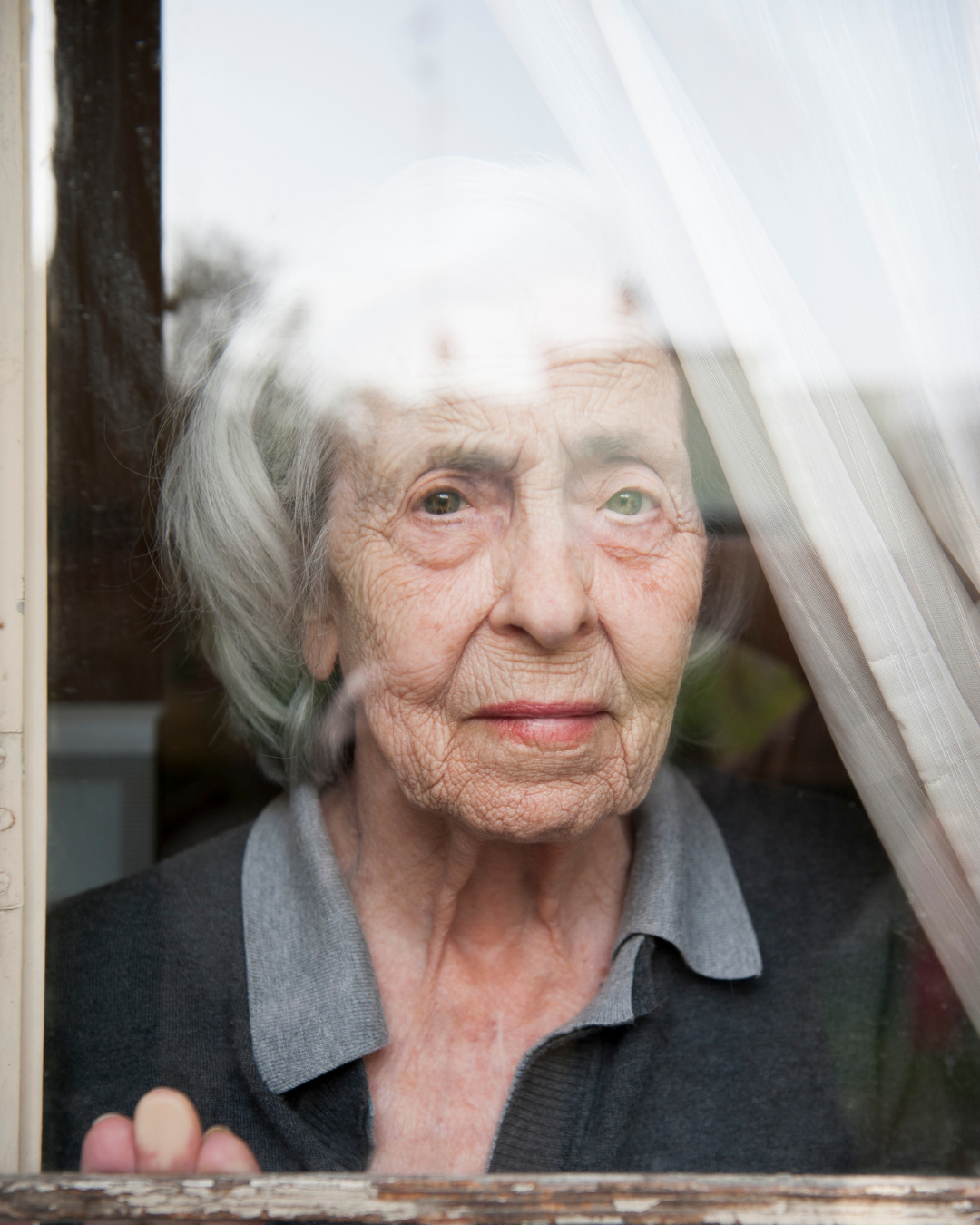
The number of people approaching their later years without a spouse, partner, adult child or reliable relative present to provide support continues to increase. These individuals are often described as “solo agers.”
AARP estimates that about 24 million Americans age 50 and older (about 21% of that population) are solo agers and roughly 10% of adults 50+ fall into this category while many more know someone who does. Harvard University experts estimate that by 2038, the majority of people age 80 and older—about 10 million individuals—will be solo agers.
The term does not necessarily mean that someone is lonely or fully isolated. Many solo agers have active friendships, fulfilling careers and solid community interactions. What they may miss is a traditional family caregiver able to coordinate care, offer transportation, respond in an emergency or help make key health decisions.
Living alone and solo aging are not necessarily identical, but the figures are closely related. In 2023, approximately 16.2 million adults age 65 and older (28% of seniors living in the community) lived alone. That included 33% of older women and 22% of older men. Among women age 75 and older, 42% lived alone.
These estimates foster a need for communities and systems to be put in place so that support seniors have help irrespective of nearby family. They also remind us that checking in on an older neighbor, helping someone reach an appointment or including a senior in a community activity can be impactful.
Solo aging does not have to mean aging without support. With reliable assisting relationships and access to community and professional resources, solo agers can continue living safely, independently and fruitfully.
Meritan’s assistance for families is wide and adaptive and can step in to help solo agers, including one-on-one regular checkup visits. To find out more on Meritan’s array of help, call 901.766.0600.